A private cam show is where expectations matter most. The room may be one-on-one, but it is still a paid platform service with pricing, performer boundaries, and site-level safety controls. Knowing the private show rules before you start prevents wasted credits, awkward requests, and the kind of session neither side wants to repeat.
The basic standard is simple: the performer sets the terms, the viewer chooses whether to accept them, and the platform processes the session under its own rules. The best experience comes from treating that arrangement clearly and respectfully – not as a negotiation after the clock starts.
What Private Show Rules Usually Cover
Private show rules vary by platform and performer, but the same categories appear almost everywhere: per-minute cost, minimum session length, permitted requests, privacy expectations, and conduct. A listed rate is not merely a suggestion. It is the cost of reserving a performer’s time and attention away from a public room.
Before starting, check whether the performer has posted a menu, room topic, tip menu, or written boundaries. Many models state what they enjoy, what they will not do, and whether custom requests are available. This is useful information, not fine print. A viewer who reads it first can decide quickly whether the show is a fit.
Platforms such as Chaturbate, Stripchat, LiveJasmin, ImLive, BongaCams, and CamSoda each use their own credit or token systems and room features. Rates, private-session options, and add-on formats can differ, so do not assume that a rule or price structure from one network carries over to another.
The rate starts when the session starts
A common mistake is entering a private show without confirming the per-minute rate or minimum charge. If a model charges a premium rate, that usually reflects demand, exclusivity, production quality, or a highly specific niche. It does not automatically mean every possible request is included.
Set a budget before you join. If you want a longer conversation, a focused fantasy, or a custom direction, leave enough room for the session to develop rather than ending abruptly after a minute. A short test session can make sense when you are trying a new performer, but it is not the best format for a detailed request.
Consent Is the Core of Every Private Session
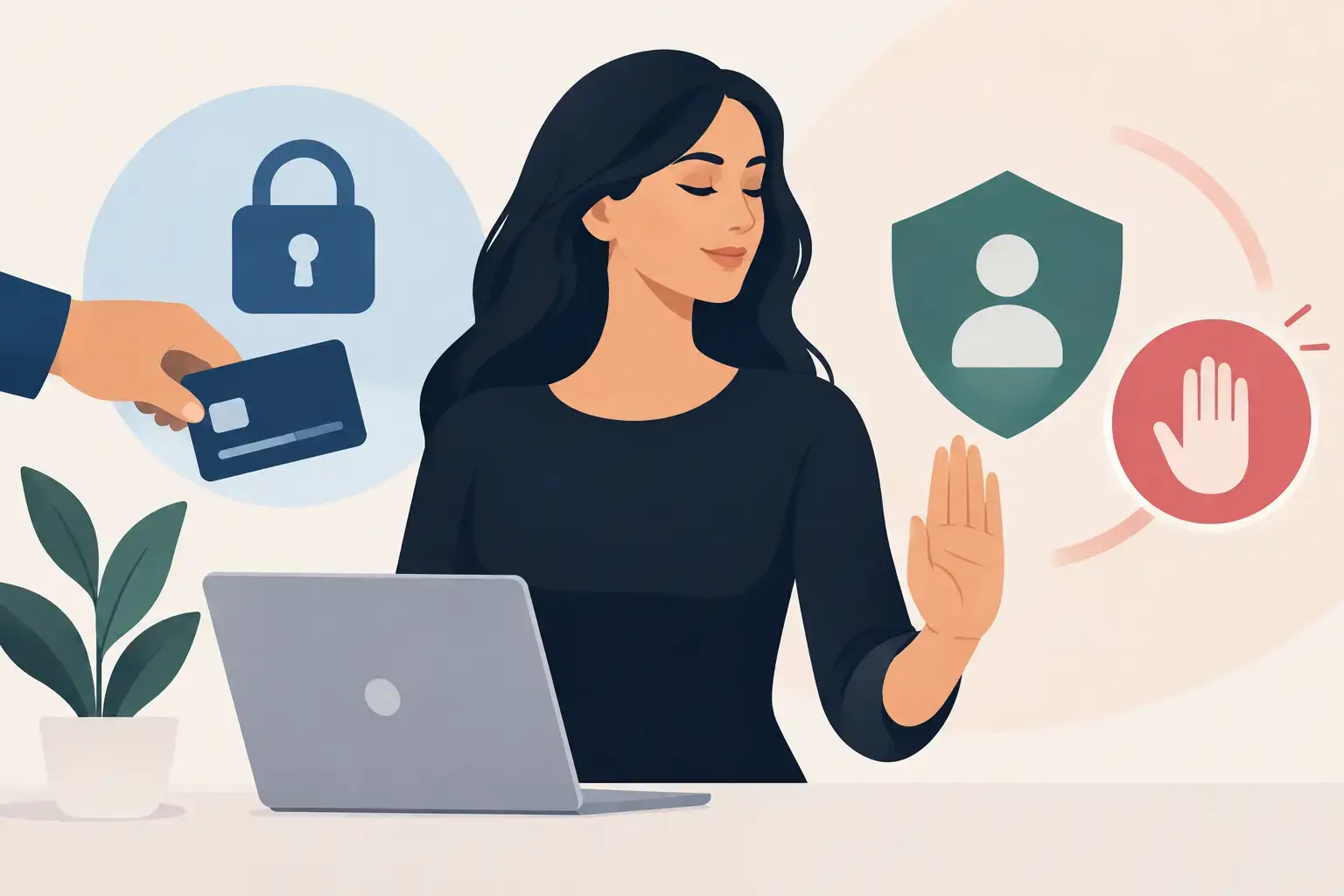
The most important of all private show rules is consent. Performers decide what happens on camera. They can decline a request, redirect the show, change the pace, or end the session if a viewer becomes disrespectful. Payment buys access to a private performance, not control over the person performing.
Be direct without being demanding. A concise request works better than a long list of instructions: say what you are looking for, ask whether it is within their boundaries, and accept the answer. If the answer is no, move on without pressure. There are thousands of performers and formats across major cam networks, so forcing a mismatch is pointless.
This also applies to language. Harassment, slurs, threats, coercion, and repeated requests after a clear refusal are not part of a private show. They can result in a report, a block, or account action. A private room is not outside platform moderation just because other viewers cannot see it.
Custom requests are agreements, not assumptions
Some performers offer highly tailored shows. Others prefer a more spontaneous format or only work within a defined menu. Neither approach is better. What matters is getting clarity before spending.
If you want something specific, ask whether it is available and whether it changes the rate, minimum time, or tipping expectation. Do not promise payment outside the platform, ask for off-site contact, or try to shift a paid arrangement into an unapproved channel. Trusted sites use on-platform systems for a reason: they create a record of the session and help protect both parties.
Privacy Means More Than a Locked Room
A private room is designed to limit access to the people participating, but it should never be treated as a license to capture, share, or expose someone’s content. Recording, screenshots, reposting, or distributing a performer’s private show without explicit authorization is a serious violation of trust and often a violation of platform rules and law.
The same rule applies in the other direction. Do not reveal personal details in chat that you would not want connected to your account. Avoid giving out your real name, phone number, workplace, address, social profiles, payment details, or other identifying information. A quality cam session does not require any of it.
Use the privacy controls available on your chosen platform. Strong account passwords, private browsing where appropriate, secure payment methods, and device-level security are practical basics. If a performer asks you to leave the platform or pay through an unverified method, treat that as a warning sign rather than a special opportunity.
How to Get Better Value From a Private Show
The best private sessions are not always the cheapest ones. Value depends on whether the performer’s style, communication, stream quality, and boundaries match what you want. A lower rate is a poor deal if the connection is unstable or the show has no chemistry. A higher rate can be justified when the performer is responsive, clear, and consistently delivers the experience described in their profile.
Start by watching a public room long enough to understand the performer’s energy and communication style. Read the stated rules, check the private rate, and see how they handle requests. This gives you more reliable information than choosing solely by a thumbnail or a low entry price.
Then be clear about your goal. Are you looking for conversation, roleplay, a particular niche, or simply undivided attention? The answer determines whether you should choose a quick private session, a longer booked experience where available, or a performer with a detailed custom menu. Precision saves credits.
A practical approach is to keep your first request simple. If the performer responds well and the session feels natural, you can extend it. If it is not the right fit, end politely. There is no need to argue about preference, and there is no benefit in spending more to fix a mismatch.
When a Private Show Should End
End the session when the experience stops meeting the agreed expectations, when your budget is reached, or when either party is uncomfortable. If there is a technical issue, use the platform’s support process instead of demanding an off-platform solution. Reputable cam networks have procedures for billing and stream problems, although outcomes depend on the facts and the site’s policies.
If a performer declines a request, that alone is not a reason to complain or seek a refund. The service is a live interaction, not a guaranteed script. On the other hand, if there is clear misrepresentation, unauthorized charges, or behavior that appears to violate site rules, document the relevant details and report it through the platform.
Respectful exits matter. A brief thank-you and a clean end leave a better impression than disappearing after a confrontation. If you liked the show, follow the performer on the platform and return when they are online. If you did not, choose another room without turning dissatisfaction into hostility.
Private sessions work best when they are treated as a premium, consent-based service with transparent pricing. Read the rules, protect your privacy, respect the performer’s limits, and spend where the experience genuinely fits your preferences. That is how you find a show worth coming back to.
Leave a Reply